Lower Dolpo Trek — 20 Days · 20 days. Questions about dates, fitness or altitude? A trek planner will answer.
20 days
Lower Dolpo Trek
Lower Dolpo Trek is a 20-day high-altitude trek in Nepal's Shey Phoksundo National Park, focusing on Tibetan culture and pristine wilderness experiences.
Trip facts
- Duration
- 20 days
- Location
- Numa La Pass (about 5,310 m) is commonly the highest point on classic Lower Dolpo routes.
- Highest altitude
- 3,611 m
- Route
- Usually accessed via flights to/from Juphal (Dolpa) plus multi-day trekking; weather delays are common.
- Best seasons
- May–June · September–October
Elevation profile
Overview
The Lower Dolpo Trek explores one of Nepal’s most isolated trans-Himalayan regions, defined by high mountain passes, deep river valleys, and Tibetan-influenced settlements that have remained culturally intact for centuries. This region lies within and around Shey Phoksundo National Park, where dramatic geological formations meet ancient trade routes and monastic traditions. The journey is physically demanding not because of technical terrain, but due to altitude, remoteness, and sustained days without infrastructure.
Map
Explore the route
Highlights
What sets this journey apart
1 / 5
01
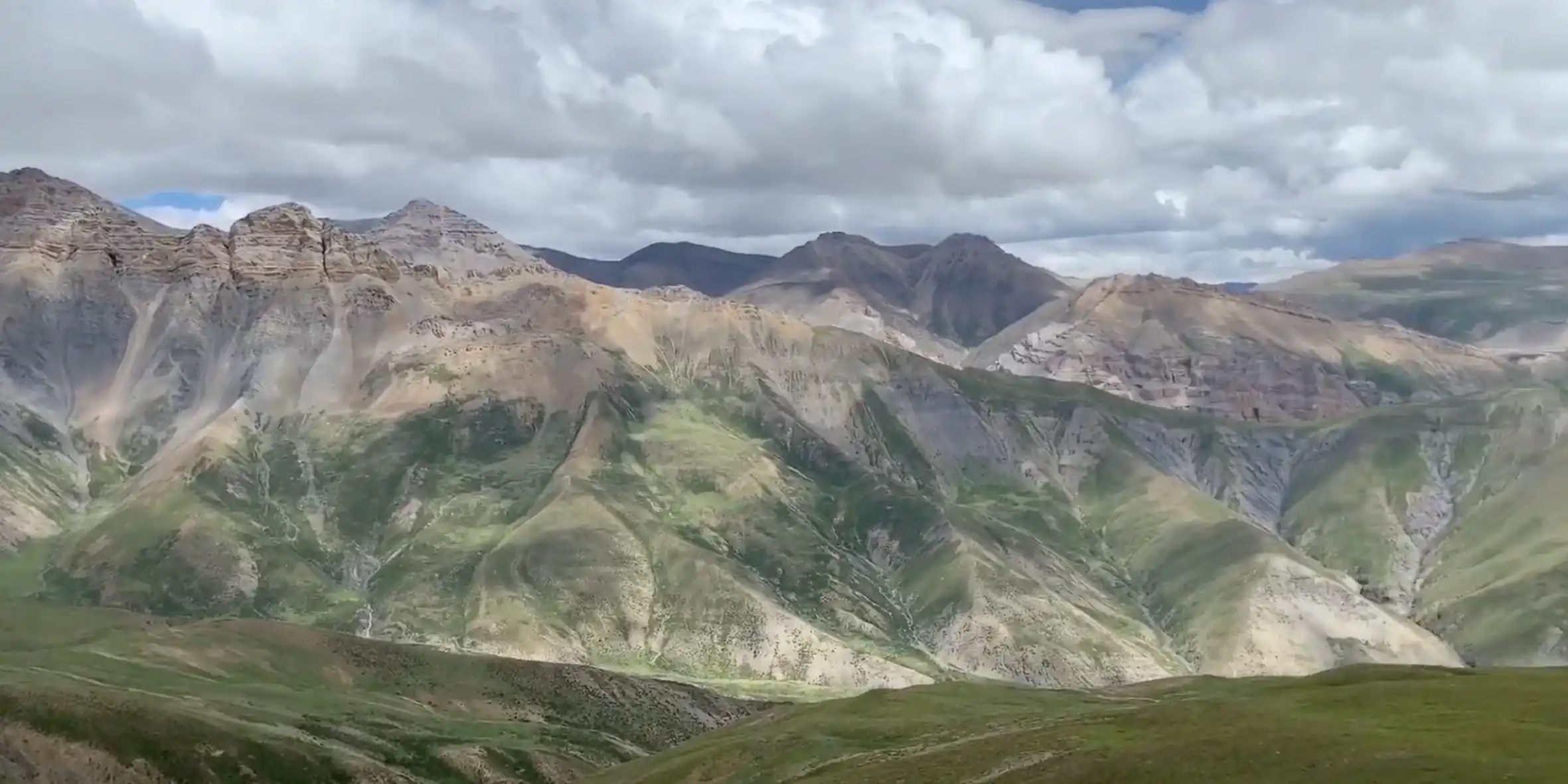
Numa La pass view
02
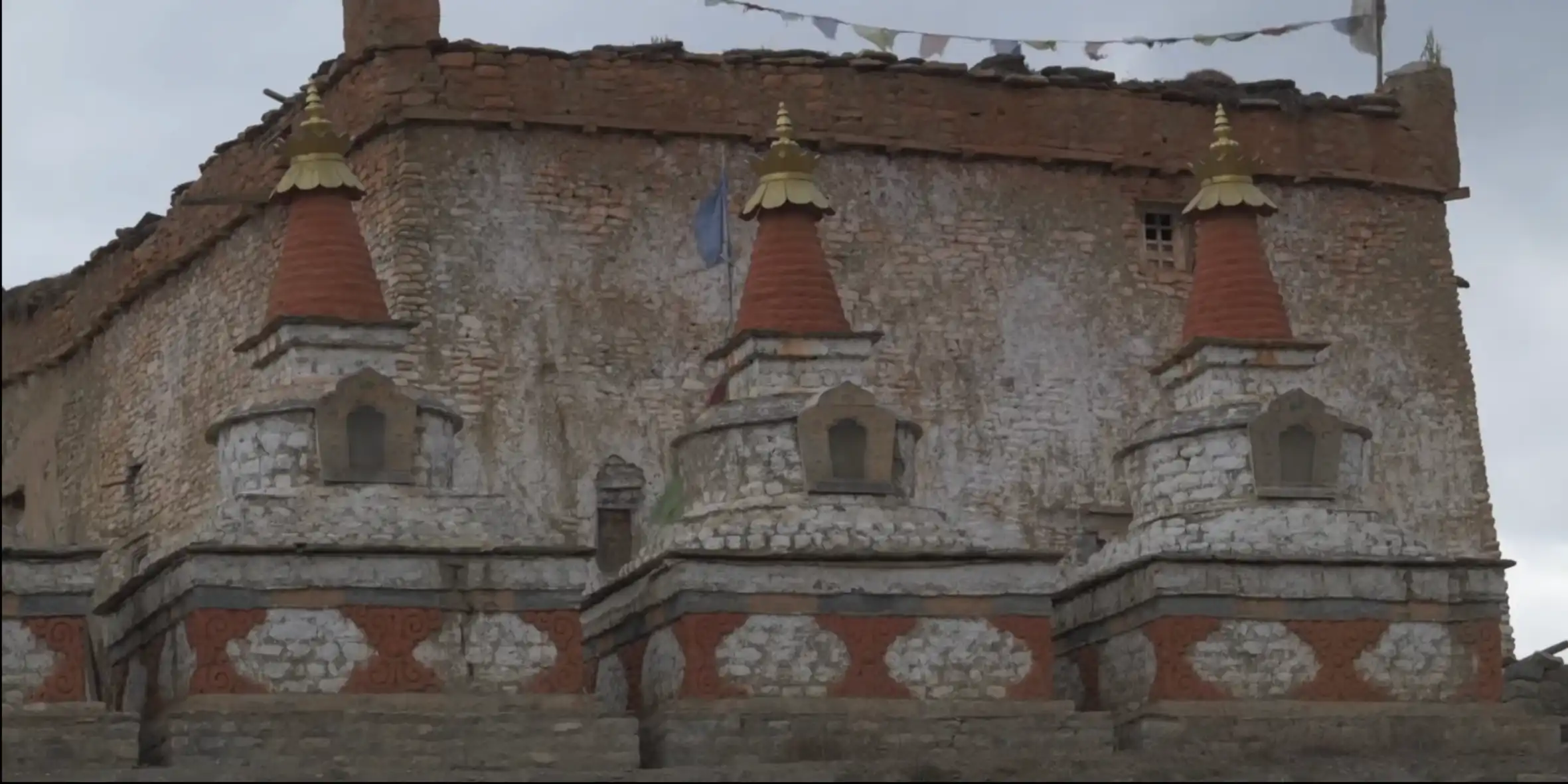
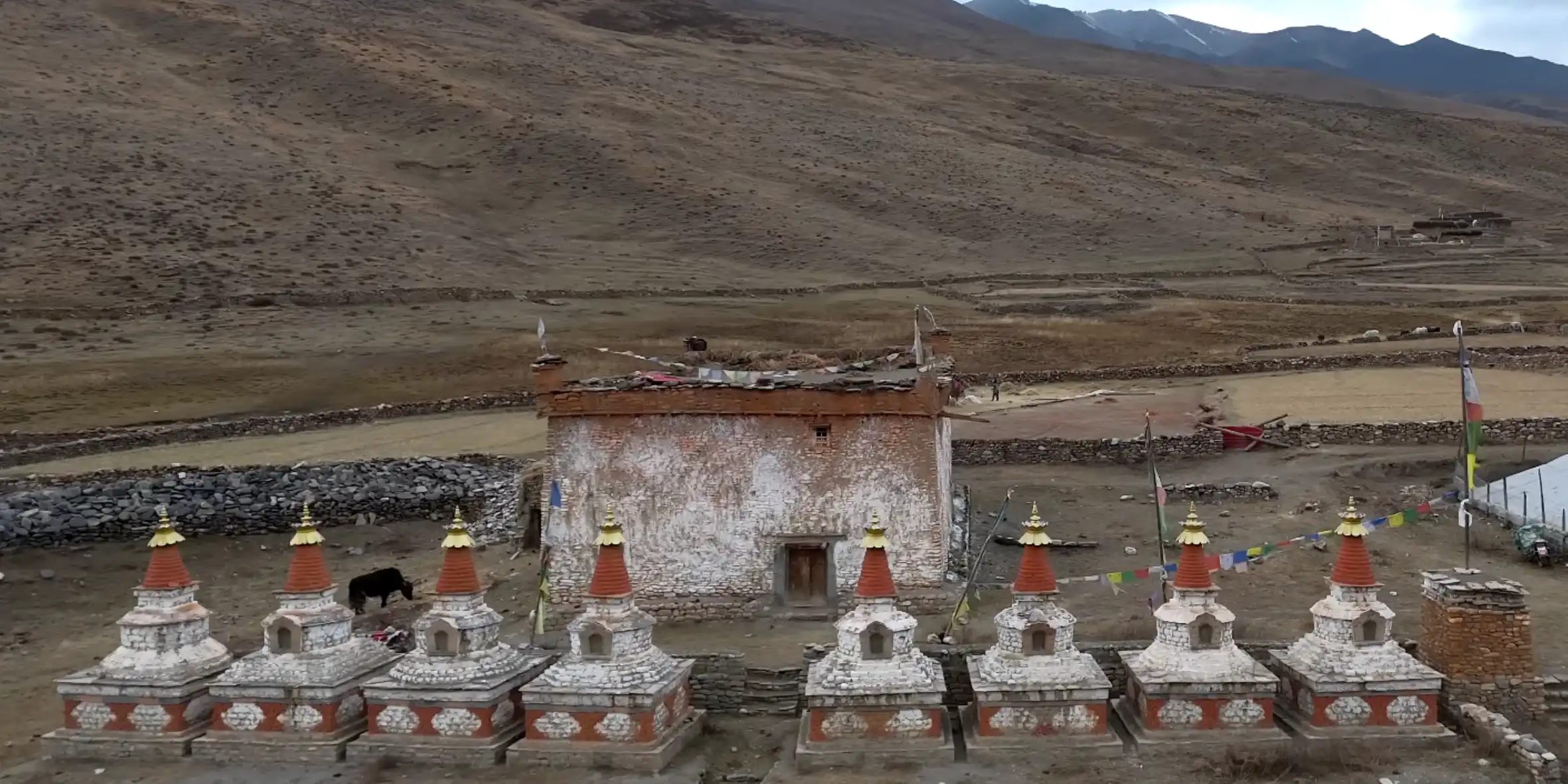
Dho Tarap's sacred walls
03
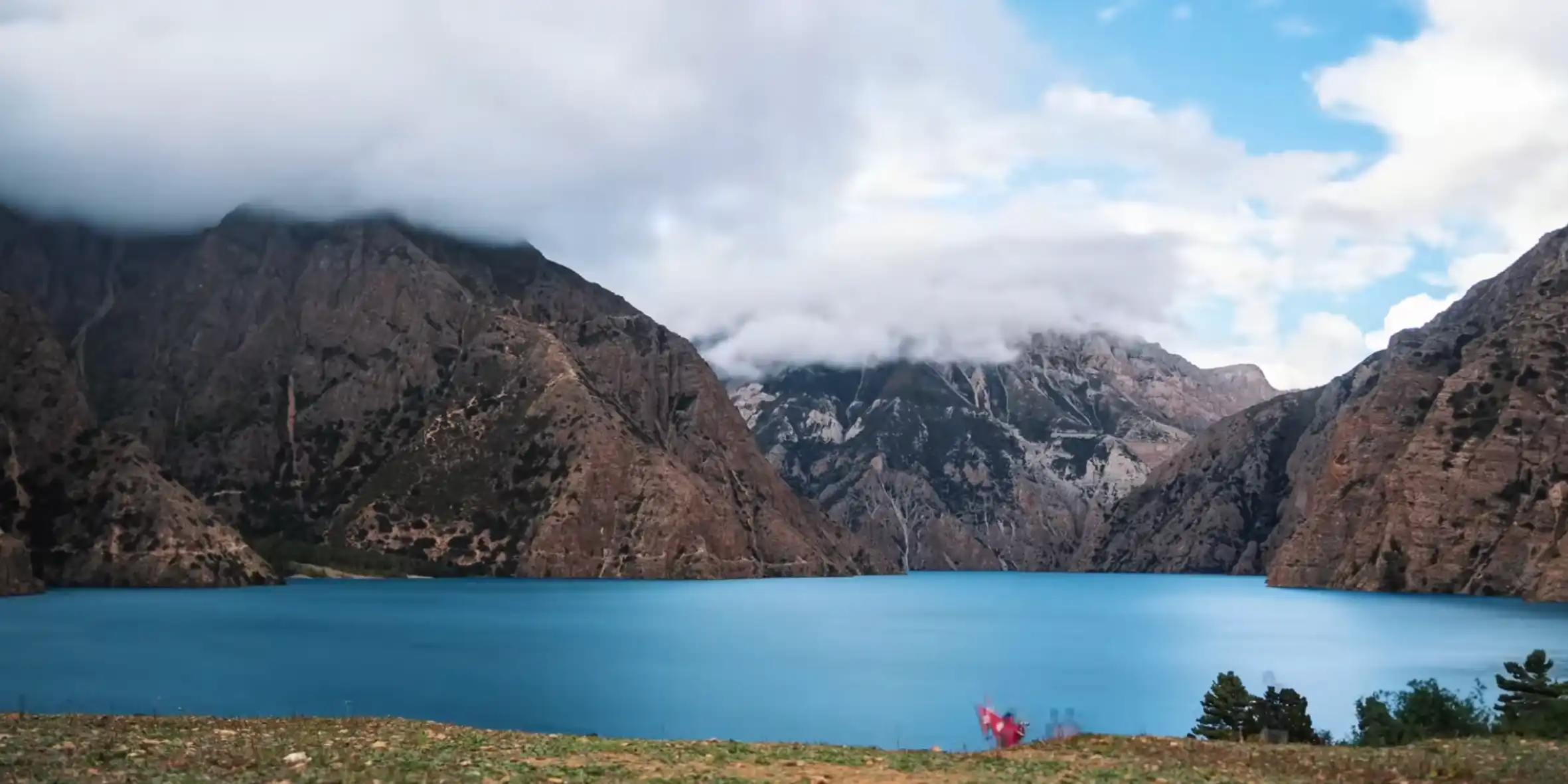
Shey Phoksundo's wild beauty
04
Phoksundo Lake reflections
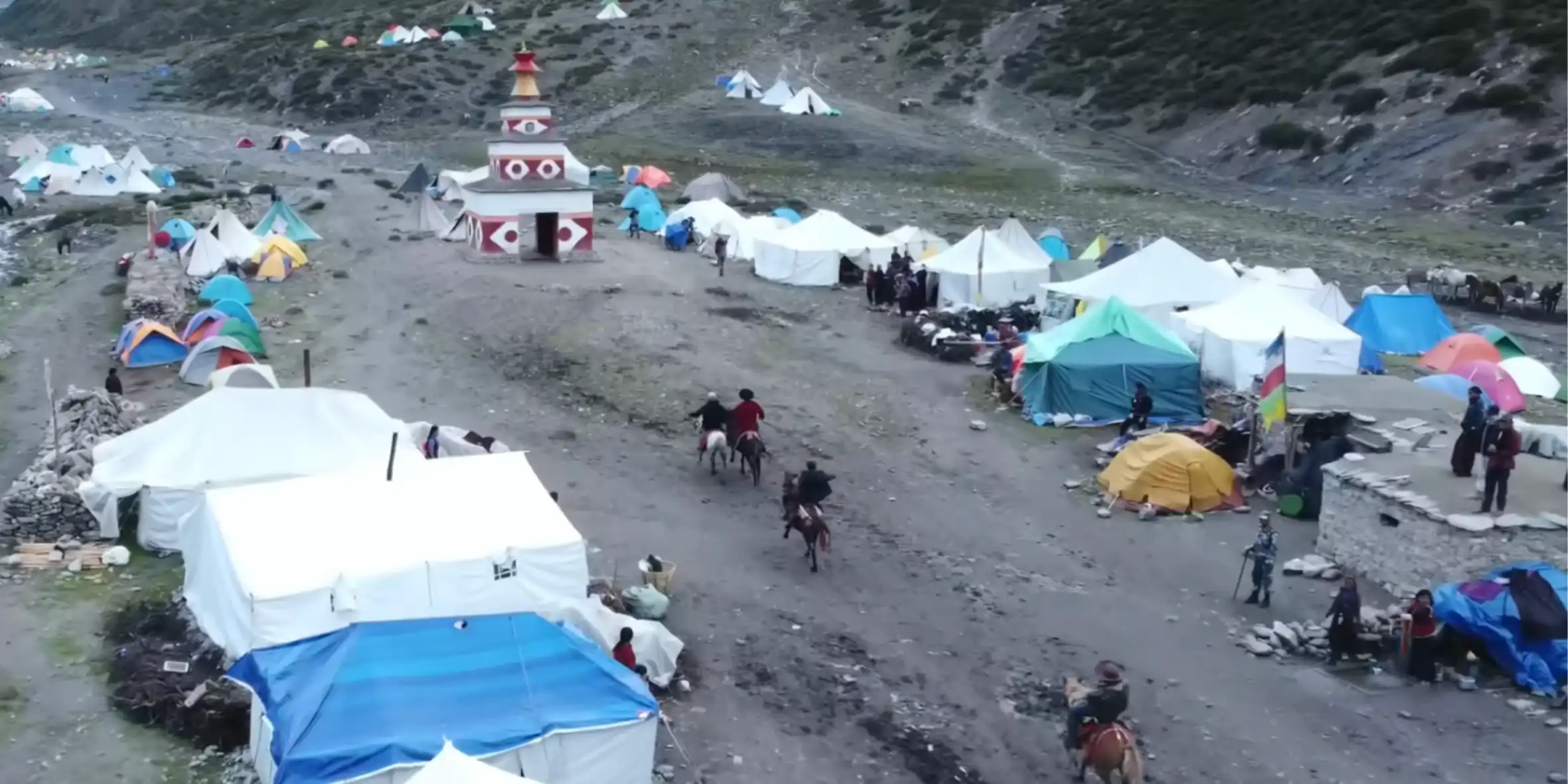
05
Camping under starlit skies
Dates & price
- Duration
- 20 days
No fixed group dates are published yet. Tell us when you would like to trek and we will confirm availability, guides and permits for your dates.
Itinerary
Day by day
After the trail
Stay a few more days
Essentials
What's covered
Included
Leader & guide
- Licensed, English-speaking trekking guide with wilderness first-aid training.
Accommodation
- Hotel accommodation in Kathmandu on twin-sharing basis with breakfast; basic village lodges and fully supported camping
Internal flights
- Flight from Nepalgunj to Jhuphal for trek access.
Airport transfers
- ETE representative EV private-vehicle pickup at Tribhuvan International Airport; trip briefing on arrival day; local tra
Permits & fees
- National Park entry permits and Restricted Area Permits for Dolpo.
Porter service
- One porter for every two trekkers, carrying up to 15 kg each.
Kathmandu meals
- Welcome and farewell dinners included; breakfasts provided during stay.
Ground transportation
- Private vehicle transfers only (airport, city, and trailhead sectors as itinerary) — no shared public road transport.
Not included
Trail meals
- Lunch and dinner at locally owned teahouses during the trek.
International flights
- International flights to and from Nepal.
Travel insurance
- Personal travel insurance with high-altitude coverage is mandatory.
Nepal visa
- Visa fees and immigration-related charges.
Personal equipment
- Personal trekking gear such as boots, sleeping bags, and trekking poles.
Tips & gratuities
- Tips for guides, porters, and support staff are customary but discretionary.
Personal expenses
- Expenses such as Wi-Fi, hot showers, and battery charging.
Extra accommodation
- Any additional nights in Kathmandu not part of the itinerary.
Questions
Before you commit
Answer · 01 of 10
How do west Nepal flights and road transfers work — and how should I plan buffer days?
Dolpo and far-west itineraries typically combine a domestic flight (Nepalgunj, Jumla, or similar) with road transfers to a remote trailhead — not the busy Lukla corridor. Weather and thin domestic schedules often delay west Nepal flights and jeep legs; we monitor conditions and rebook when possible. After you return to Kathmandu, consider extending with Kathmandu, Chitwan, or Bardiya Recreations (2 nights · 3 days each) before you leave Nepal — we can add the recreation package that fits your pace.
On this trek · Numa La Pass (about 5,310 m) is commonly the highest point on classic Lower Dolpo routes.
High desert culture. Fragile ground.
Minimal-impact ethics. Fair crew. Deep respect for local custom.
Whole-team stewardship
Packing
What to pack
Lower Dolpo Trek — 20 Days kit — counts for one person.
- 01
Base layers
Moisture-wicking base layers for comfortable trekking in diverse weather conditions.
- 02
Insulation & shell
Insulating mid-layers (fleece or lightweight down), waterproof and windproof outer shell for protection against elements.
- 03
Footwear
Well-broken-in trekking boots with ankle support, lightweight camp shoes or sandals, and warm socks for long trekking days.
- 04
Sleeping gear
Sleeping bag rated for sub-zero temperatures to ensure warmth during cold nights.
- 05
Day pack essentials
Daypack for daily necessities, trekking poles for stability, headlamp with spare batteries, and reusable water bottles or hydration system.
- 06
Toiletries
Personal toiletries including sunscreen, lip balm, and basic first-aid items for daily care.
- 07
Documents & money
Carry necessary permits and some cash for local purchases, as ATMs are scarce in remote areas.
- 08
First aid & meds
Personal medications, blister care supplies, and a basic first-aid kit for safety during the trek.