Khaptad National Park Trek — 13 Days · 13 days. Questions about dates, fitness or altitude? A trek planner will answer.
13 days
Khaptad National Park Trek
Experience a 13-day trek through the serene landscapes of Khaptad National Park, combining spiritual exploration with nature-focused hiking.
From
$1,765
Deposit $355
Trip facts
- Duration
- 13 days
- Location
- Highland plateau trekking generally sits around ~3,000 m with viewpoints slightly above (route-dependent).
- Highest altitude
- 3,500 m
- Route
- Basic lodge/guesthouse options are limited; camping is commonly used for flexibility on the plateau.
- Best seasons
- March–May · October–November
Elevation profile
Overview
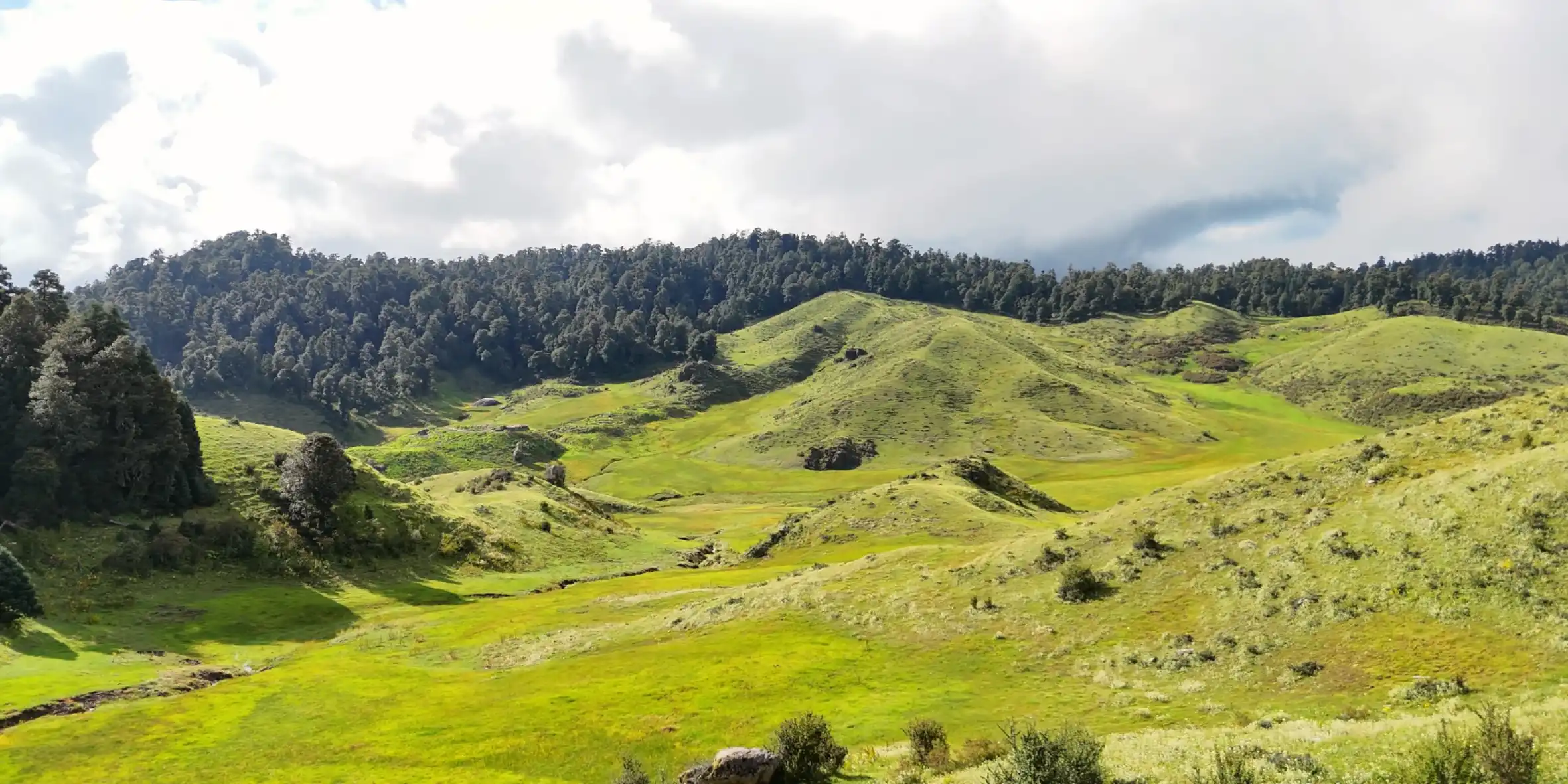
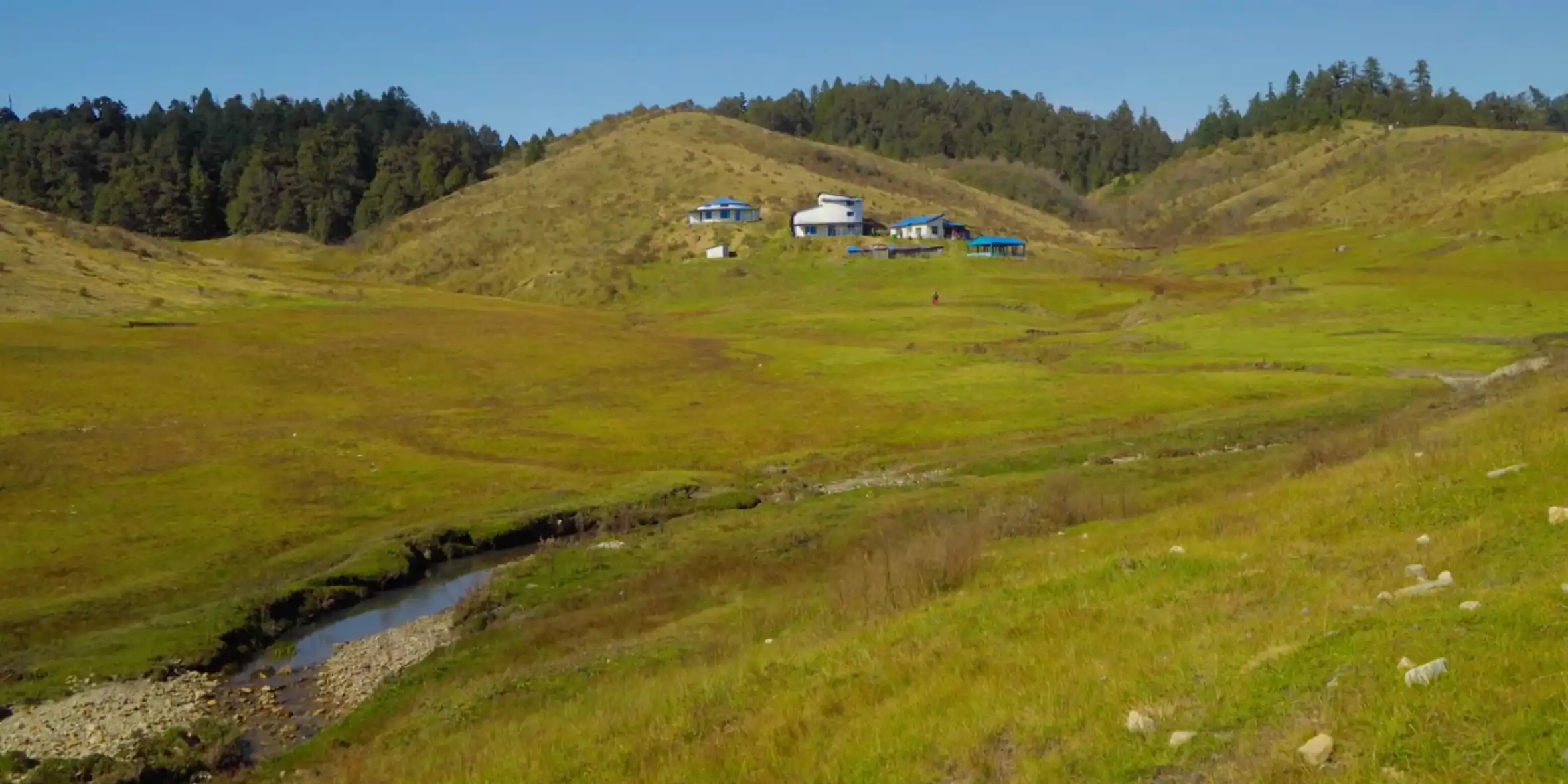
The Khaptad National Park Trek explores a high plateau in far-western Nepal known for its rolling grasslands, forests, and spiritual significance. Unlike dramatic Himalayan routes, Khaptad offers wide open terrain and a contemplative walking experience. The region is associated with Khaptad Baba and seasonal pilgrimage, blending nature and spirituality.
Map
Explore the route
Highlights
What sets this journey apart
1 / 5
01
Khaptad plateau quiet
02
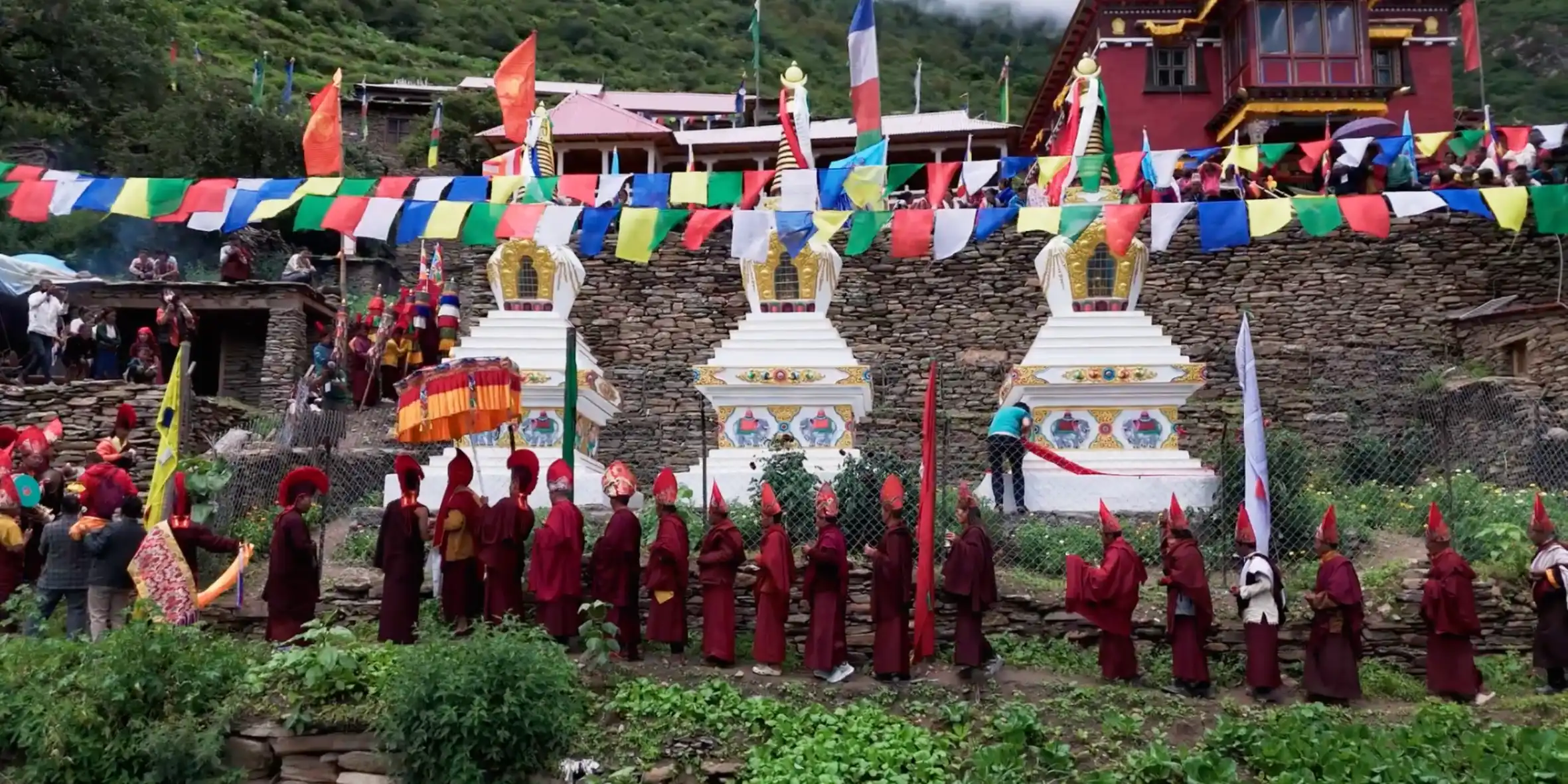
Khaptad Baba Ashram visit
03
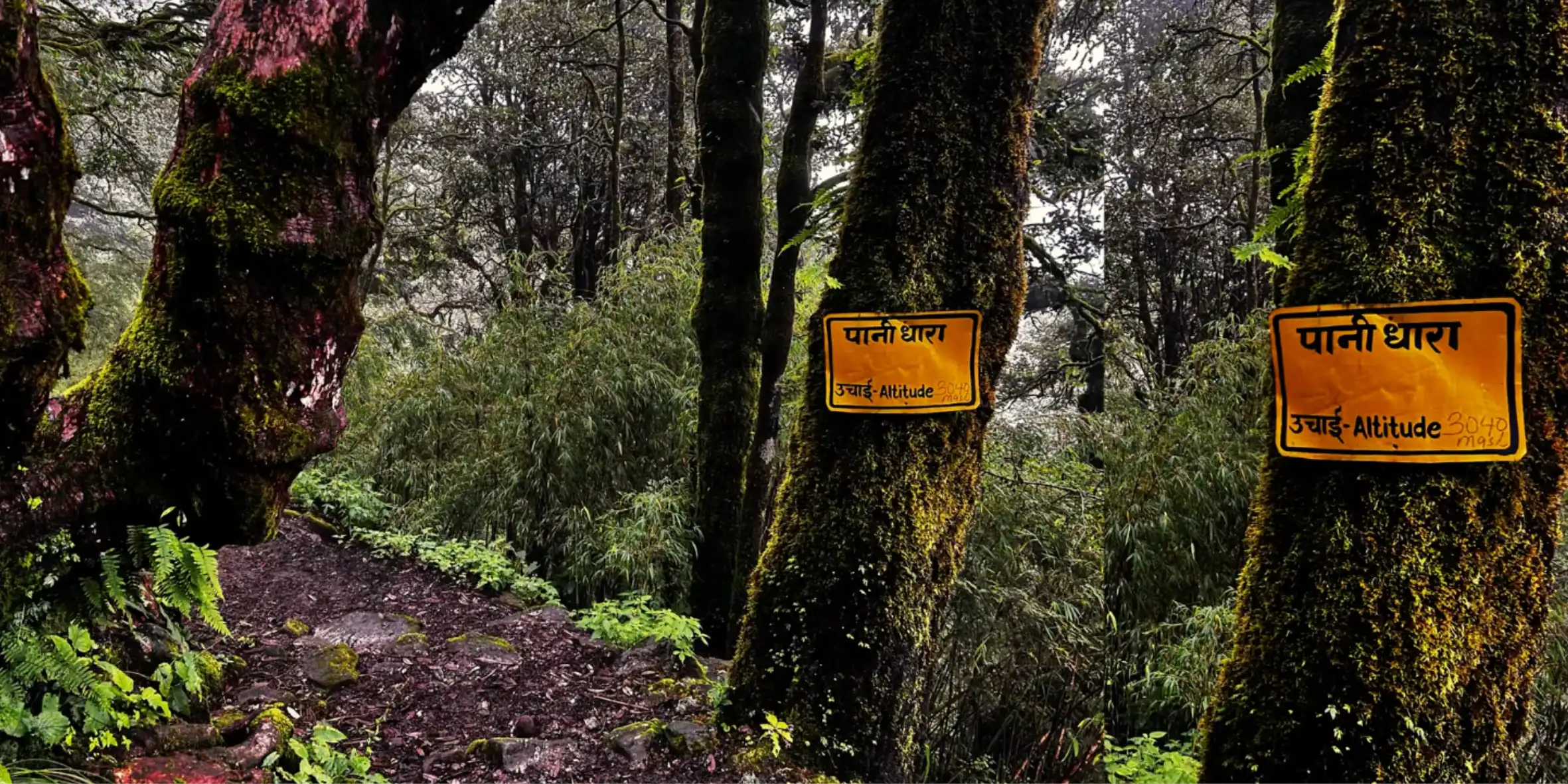
Rhododendron forest trails
04
Highland sunset views
05
Lakeside reflections
Dates & price
- From
- $1,765 per person
- Deposit
- $355
- Duration
- 13 days
Pick a departure from the calendar and pay the deposit to hold your place. Want a date that isn't listed? Ask us.
Itinerary
Day by day
After the trail
Stay a few more days
Essentials
What's covered
Included
Leader & guide
- Licensed, English-speaking trekking guide with wilderness first-aid training.
Accommodation
- Kathmandu twin-share hotel; park lodges / village stays as itinerary.
Internal flights
- Domestic flights as listed for far-west access.
Airport transfers
- ETE representative EV private-vehicle pickup at Tribhuvan International Airport; trip briefing on arrival day; local tra
Permits & fees
- Khaptad National Park entry permits arranged and included.
Porter service
- One porter for every two trekkers, carrying up to 15 kg each.
Kathmandu meals
- Welcome and farewell dinners included; breakfasts provided during stay.
Ground transportation
- Private vehicle transfers only (airport, city, and trailhead sectors as itinerary) — no shared public road transport.
Not included
Trail meals
- Lunch and dinner at locally owned teahouses during the trek.
International flights
- International flights to and from Nepal.
Travel insurance
- Personal travel insurance with high-altitude coverage is mandatory.
Nepal visa
- Visa fees and immigration-related charges.
Personal equipment
- Personal trekking gear such as boots, sleeping bags, and trekking poles.
Tips & gratuities
- Tips for guides, porters, and support staff are customary but discretionary.
Personal expenses
- Expenses such as Wi-Fi, hot showers, and battery charging.
Extra accommodation
- Any additional nights in Kathmandu not part of the itinerary.
Questions
Before you commit
Answer · 01 of 10
How do west Nepal flights and road transfers work — and how should I plan buffer days?
Dolpo and far-west itineraries typically combine a domestic flight (Nepalgunj, Jumla, or similar) with road transfers to a remote trailhead — not the busy Lukla corridor. An ETE representative meets you at Tribhuvan International Airport in an EV private vehicle on arrival day, followed by a trip briefing that evening. Weather and thin domestic schedules often delay west Nepal flights and jeep legs; we monitor conditions and rebook when possible. After returning to Kathmandu, consider extending your stay with Kathmandu, Chitwan, or Bardiya Recreations (2 nights · 3 days each) before leaving Nepal.
On this trek · Highland plateau trekking generally sits around ~3,000 m with viewpoints slightly above (route-dependent).
Local hosts. Fair crew. Measured impact.
Leave no trace. Pay fairly. Walk as a guest.
Whole-team stewardship
Packing
What to pack
Khaptad National Park Trek — 13 Days kit — counts for one person.
- 01
Base layers
Moisture-wicking base layers are essential for comfort and moisture management during your trek.
- 02
Insulation & shell
Insulating mid-layers like fleece or lightweight down, along with a waterproof and windproof outer shell, are crucial to adapt to changing weather conditions.
- 03
Footwear
Well-broken-in trekking boots with ankle support are a must, complemented by lightweight camp shoes or sandals for downtime.
- 04
Sleeping gear
A sleeping bag rated for sub-zero temperatures is necessary for the cold nights in the highlands.
- 05
Day pack essentials
A daypack is needed for daily essentials. Also include a duffel bag for porter transport.
- 06
Toiletries
Bring personal toiletries and a headlamp with spare batteries for nighttime navigation.
- 07
Documents & money
Carry necessary documents, including permits, and enough cash for local expenses, as ATMs are scarce in remote areas.
- 08
First aid & meds
Pack personal medications, basic first-aid items, blister care supplies, sunscreen, sunglasses, lip balm, and water purification tablets.